 Blogpost
The past five years have shattered any illusion that supply chain transparency is optional. COVID-19 exposed how little most companies knew about their supplier networks beyond Tier 1. The 2023–2024 Red Sea disruptions forced manufacturers to scramble for alternative routes they hadn’t mapped. And now, a wave of EU regulations—CSRD, CSDDD, EUDR—has transformed transparency from a corporate social responsibility talking point into a legal obligation with real teeth.
This article delivers a practical, step-by-step path to achieving total supply chain transparency that a mid-to-large manufacturer or retailer can start implementing within the next 12 months. When we say “total,” we mean end-to-end: from raw materials extraction in 2025 back through recycling and end-of-life, not just direct suppliers or shipment tracking. The approach here is pragmatic and action-oriented, focused on concrete examples, current laws, and realistic timelines rather than theory.
Defining Total Supply Chain Transparency in 2025
Total supply chain transparency goes far beyond knowing who your Tier 1 suppliers are or tracking shipments in transit. It means having verifiable, auditable information about every significant node in your supply network—from the farm, mine, or factory floor where raw materials originate, through every transformation and handoff, to the final product reaching your customer.
This level of chain transparency combines three distinct dimensions:
- Physical flows: The actual movement of materials, components, and finished goods through your value chain
- Information flows: The data, documentation, certifications, and audit reports that accompany those physical goods
- Impact flows: The environmental, social, and governance consequences at each stage—carbon emissions, labor conditions, land use changes
Here’s what total transparency looks like in practice across different industries:
- Apparel: Tracing cotton back to specific farms in India for your 2025 collection, with GPS coordinates, harvest dates, and water usage data
- Automotive/Electronics: Mapping cobalt to the exact mine level in the DRC for EV batteries, with chain-of-custody documentation through every smelter and refiner
- Food and beverage: Following cocoa from cooperative level in Côte d’Ivoire through processing, with deforestation-free verification via satellite imagery
- Consumer goods: Tracking palm oil from individual mills through refineries to finished products, with RSPO certification and geolocation proof
- Textiles: Documenting the journey of polyester from recycled plastic collection through yarn spinning to final garment, with verified recycled content percentages
True transparency means you can produce detailed information for any of these pathways on demand—for regulators, investors, customers, or your own risk management teams. It’s not about having high-level supplier names in a spreadsheet. It’s about building systems that collect data systematically and maintain accurate data across your entire supply chain.
Supply Chain Visibility vs. Transparency vs. Traceability
Before launching any transparency initiative, you need to align your organization on what these frequently confused terms actually mean. Too many companies conflate supply chain visibility with transparency, leading to programs that miss their mark entirely.
Visibility refers to internal awareness—your ability to see what’s happening across supply chain operations in real time or near-real time. This is what supply chain visibility focuses on: knowing shipment ETAs through your TMS dashboards, monitoring inventory levels across warehouses, and tracking production status at contract manufacturers. Visibility is foundational, but it stays within your organization.
Transparency takes visibility external. It’s what you share with customers, regulators, investors, and other stakeholders. Publishing supplier lists on your website, disclosing audit findings in sustainability reports, or providing origin information through product QR codes—these are transparency activities. Supply chain transparency requires you to communicate your supply chain data openly and accountably.
Traceability is the technical backbone that enables both. It’s the ability to follow a specific batch, lot, or unit through each step of the supply chain—from palm oil mill to refinery to finished product, tracked via batch ID, blockchain record, or chain-of-custody documentation. Without robust traceability mechanisms, your transparency claims cannot be verified.
Achieving supply chain transparency requires all three working together. Strong internal visibility gives you the raw information. Robust traceability provides the evidence trail. Intentional external disclosure transforms that evidence into stakeholder trust. Companies that invest heavily in visibility tools but neglect traceability or disclosure strategy end up data-rich but transparency-poor.
The Regulatory Engine Pushing Total Transparency
Between 2020 and 2025, legislators worldwide have transformed supply chain transparency from a voluntary best practice into a legal mandate. If your organization operates in or sells to the EU, you’re already subject to requirements that demand documented proof of your sourcing practices, environmental impact, and human rights due diligence.
Here are the key regulations driving this shift:
- EU Corporate Sustainability Reporting Directive (CSRD): Effective for large EU-listed companies from FY 2024, with phased rollout to other large companies through FY 2025–2026. CSRD requires detailed supply chain disclosures under the European Sustainability Reporting Standards (ESRS), including Scope 3 emissions and supply chain environmental practices.
- EU Corporate Sustainability Due Diligence Directive (CSDDD): Approved in 2024, with Member State transposition expected around 2026–2027. This directive requires companies to identify, prevent, and mitigate adverse human rights and environmental impacts throughout their global supply chains—not just among direct suppliers but across the entire value chain.
- EU Deforestation Regulation (EUDR): Effective December 2024 for operators and importers of seven commodity categories—soy, beef, palm oil, wood, cocoa, coffee, and rubber. Compliance requires geolocation data proving supply chains are deforestation-free, with traceability to plot level.
- U.S. Uyghur Forced Labor Prevention Act (UFLPA): In force since 2022, this act creates a rebuttable presumption that goods from China’s Xinjiang region involve forced labor. Companies must provide traceable documentation proving goods are not linked to forced labor—or face customs detentions and seizures.
- Germany’s Supply Chain Due Diligence Act (LkSG): Effective since 2023 for companies with 1,000+ employees, requiring risk analysis and preventive measures across global supply chains for human rights and environmental standards.
- France’s Duty of Vigilance Law: Pioneered corporate due diligence obligations since 2017, covering human rights and environmental risks across subsidiaries and supplier relationships.
The direction is clear: regulatory compliance now requires the kind of supply chain data infrastructure that only full transparency programs can deliver. Companies treating these laws as isolated compliance exercises will find themselves constantly reacting. Those building comprehensive transparency capabilities now will satisfy multiple requirements simultaneously.
Why Total Transparency is a Strategic Advantage, Not Just Compliance
Treating transparency purely as a compliance cost misses half the picture. Companies achieving supply chain transparency find it creates strategic advantages that go well beyond satisfying regulators.
Here’s where the real business value emerges:
- Strengthened brand trust and consumer loyalty: Precise, verifiable product claims—“100% traceable cocoa to cooperative level in Côte d’Ivoire, 2026 harvest”—command premium positioning and justify higher price points. Vague sustainability language no longer satisfies informed consumers.
- Improved risk management and operational resilience: End-to-end mapping reveals concentration risks (too much raw material from a single region), potential risks from unstable suppliers, and early warning signs of disruption. Companies with transparent supply chains detected Red Sea routing issues weeks before competitors relying on fragmented data.
- Better Scope 3 emissions data: Most companies’ largest carbon footprint sits in their supply chains. Without accurate data from suppliers and their suppliers, decarbonization targets under frameworks like SBTi remain guesswork. Transparency infrastructure provides the measurement foundation.
- Cost reduction through waste elimination: Full supply chain mapping often uncovers redundant intermediaries, inefficient logistics routes, and quality control failures that create hidden costs. One consumer goods company found 12% of their shipments were routing through unnecessary consolidation points once they mapped their logistics partners completely.
- Access to sustainable finance: Investors and lenders increasingly factor supply chain transparency into ESG ratings. Sustainability-linked loans with KPIs tied to supply chain metrics—verified supplier coverage, deforestation-free sourcing percentages—offer tangible financial benefits. Opaque supply chains mean higher capital costs.
- Enhanced brand reputation and stakeholder trust: External stakeholders—investors, NGOs, journalists, consumers—increasingly scrutinize supply chains. Companies that can demonstrate ethical sourcing and environmental sustainability proactively control their narrative instead of reacting to exposés.
The companies building transparency infrastructure today aren’t just checking compliance boxes. They’re creating competitive moats that will take laggards years to replicate.
Barriers That Prevent Companies From Achieving Total Transparency
Even leading companies in 2025 rarely have visibility beyond their Tier 2 suppliers, let alone the Tier 3–4 levels where many human rights and environmental risks concentrate. Understanding why helps you design transparency programs that actually work.
Here are the most common barriers to improving supply chain transparency:
- Fragmented IT systems: Procurement runs on one platform, logistics on another, sustainability data sits in spreadsheets, and supplier certifications arrive as unstructured PDFs via email. No single system holds complete supplier data, making analysis and real time data impossible.
- Organizational silos: Procurement focuses on cost and delivery. Compliance tracks regulations. Sustainability handles ESG reporting. Without clear ownership, transparency programs become orphaned initiatives that no function prioritizes.
- Supplier-side limitations: Smallholder farmers lack smartphones or computers. Factory owners fear sharing data that reveals margins or customer relationships. Language barriers and capability gaps in regions like Southeast Asia or Sub-Saharan Africa make data collection challenging even when willingness exists.
- Data quality and verification gaps: Self-reported supplier data often contains inconsistencies, missing timestamps, or outdated certifications. Without third-party verification, transparency claims remain unsubstantiated—and regulators know it.
- Cost perception: Advanced tools—blockchain platforms, AI-based monitoring, satellite imagery services—appear expensive, particularly for mid-sized companies. Many organizations assume they need enterprise-scale budgets to achieve meaningful transparency.
- Indirect suppliers beyond reach: Your direct suppliers may cooperate fully, but their suppliers (your Tier 2 and beyond) have no contractual relationship with you. Gaining visibility into these indirect suppliers requires new approaches beyond traditional supplier management.
None of these barriers are insurmountable. But programs that ignore them tend to produce impressive pilot results that never scale. The following steps address each barrier systematically.
Step 1: Map Your End-to-End Supply Chain (Beyond Tier 1)
A credible transparency program in 2025–2026 starts with structured mapping that reaches at least Tier 3 for high-risk materials. You cannot manage what you cannot see, and most companies dramatically underestimate the complexity of their actual supplier network.
Here’s how to approach mapping over a 6–12 month timeline:
- Start with a pilot scope: Select one product line, one geographic region, or one high-risk commodity category rather than attempting full coverage immediately. A European apparel brand might start with cotton sourcing for their core denim line; an electronics manufacturer might focus on batteries for their flagship product.
- Compile your Tier 1 supplier list: Export data from your ERP and procurement systems. This baseline exists in most organizations but often sits in multiple formats across different business units.
- Extend to Tier 2 and logistics partners: Send structured questionnaires to Tier 1 suppliers asking them to identify their key suppliers, raw material sources, and logistics providers. Use onboarding portals rather than email chains to collect data in consistent formats.
- Prioritize high-risk categories: Focus initial deep-mapping efforts on commodities under regulatory scrutiny (cocoa, palm oil, cotton, cobalt, lithium) and regions with documented human rights or environmental concerns. These are where due diligence expectations are highest and risk exposure is greatest.
- Document facility locations: For each supplier and sub-supplier, capture physical addresses and, where possible, GPS coordinates. This becomes essential for EUDR compliance and conflict minerals reporting.
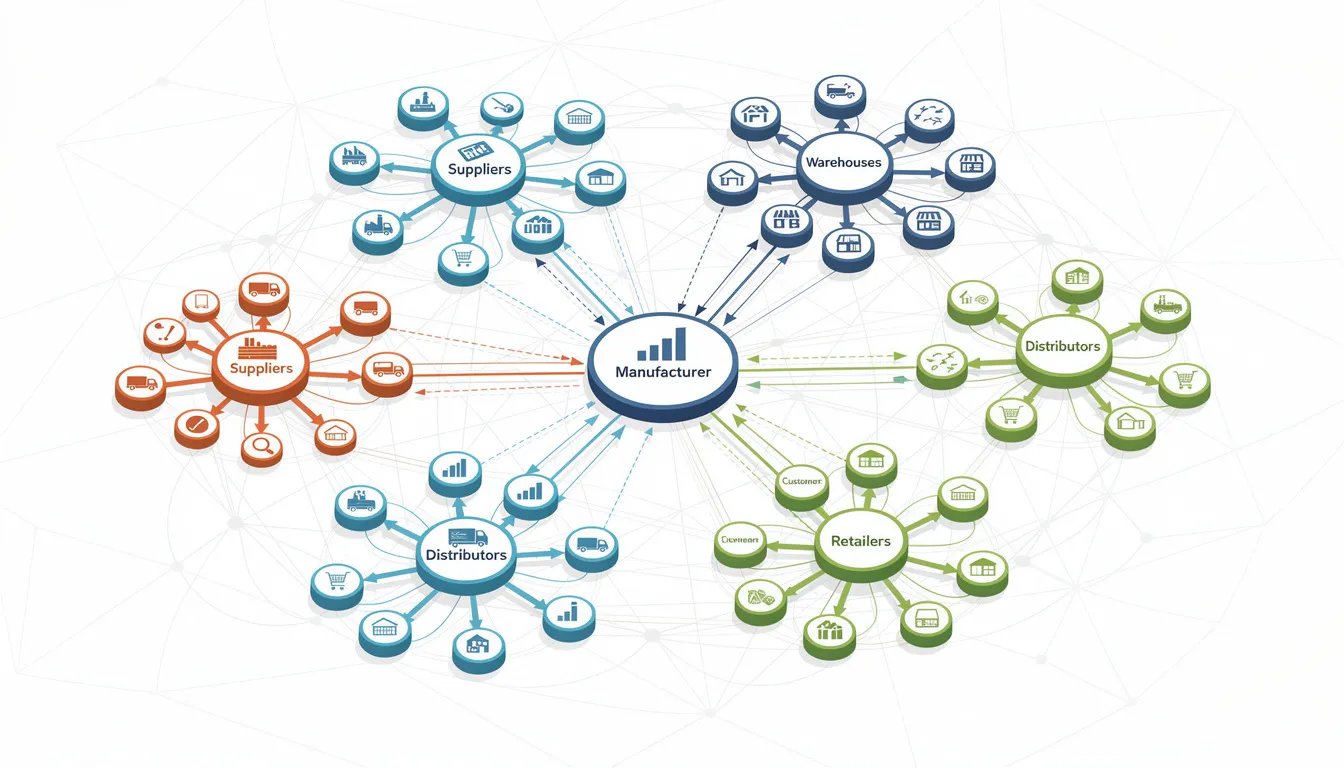
- Build visual outputs: Create network diagrams and heat maps showing supplier concentration, geographic distribution, and risk levels. These visuals make supply chain complexity tangible for leadership and boards.
The goal isn’t perfection in Year 1. It’s establishing a systematic process that expands coverage over time while prioritizing the nodes that matter most for regulatory requirements and ethical supply chains.
Step 2: Standardize and Digitize Supplier Data Collection
CSRD and CSDDD require auditable evidence, not anecdotal assurances. The data collection systems you build now must produce documentation that satisfies regulators examining your 2024–2027 reporting years.
Here’s how to move from scattered supplier data to structured, verifiable information:
- Create standardized questionnaires: Develop templates that collect the specific information regulations require—certifications (SA8000, ISO 14001, FSC), social audit reports, environmental permits, and sourcing declarations. Consistency enables automation and comparability.
- Specify required data fields: Rather than free-text responses, use structured fields wherever possible:
- Farm/facility GPS coordinates (essential for EUDR commodities)
- Smelter/refiner IDs (required for conflict minerals)
- Certification numbers with expiration dates
- Most recent audit dates and auditor names
- Production capacity and workforce size
- Move to digital intake: Replace email and PDF exchanges with centralized supplier portals or web forms. This enables validation at entry, version control, and data analytics. Several cloud platforms now offer supplier engagement portals specifically designed for this purpose.
- Design for supplier experience: Your data collection tools should be simple, mobile-friendly, and available in multiple languages. Complex, desktop-only English forms create barriers that reduce data accuracy and completion rates, especially from smaller suppliers in developing regions.
- Enable document uploads with metadata: When suppliers upload certifications or audit reports, require them to tag documents with relevant metadata—certification type, issuing body, valid-from and valid-to dates. This makes documents searchable and supports automated expiration alerts.
The investment here pays dividends across multiple compliance requirements. The same supplier profile that satisfies EUDR due diligence also feeds CSRD Scope 3 reporting and CSDDD human rights assessments.
Step 3: Build Verification and Due Diligence Into Your Processes
Self-declarations from suppliers are starting points, not endpoints. Germany’s LkSG (effective 2023) and the upcoming CSDDD explicitly require companies to verify supplier claims and conduct proportionate due diligence based on risk levels.
Here’s how to build verification into your operations:
- Segment suppliers by risk level: Not every supplier requires the same scrutiny. High-risk categories (conflict minerals, commodities linked to deforestation, production in regions with documented labor abuses) warrant intensive verification. Lower-risk suppliers may require only periodic document review.
- Layer verification methods: Effective due diligence combines multiple approaches:
- Third-party social audits (SMETA, BSCI, SA8000)
- Certification body records (confirming certifications are valid)
- Satellite imagery (detecting land-use changes for deforestation monitoring)
- Transaction-level checks (matching production volumes against facility capacity)
- Establish onboarding checklists: Before any new supplier ships product, require completion of due diligence steps appropriate to their risk level. This prevents the pattern where suppliers are onboarded quickly under commercial pressure, then never properly assessed.
- Schedule periodic re-assessments: Certifications expire. Facilities change ownership. Labor conditions evolve. Build systematic re-assessment cycles—annually for high-risk suppliers, every 2–3 years for lower-risk relationships.
- Create escalation procedures: Define what happens when red flags appear—a failed audit, a deforestation alert from satellite monitoring, a media report about labor violations. Who investigates? What’s the timeline for resolution? When does the relationship terminate?
Example: Cocoa supply chain verification A European chocolate manufacturer sources cocoa from Côte d’Ivoire through three trading houses. To satisfy EUDR requirements for 2025–2026:
- Trading houses provide cooperative-level GPS polygons for cocoa plots
- Satellite imagery service cross-references these polygons against forest cover data
- Third-party auditors conduct annual visits to a sample of cooperatives
- Blockchain-based chain-of-custody tracks cocoa from cooperative through port to factory
This layered approach provides the evidence base for regulatory compliance and enables sustainable sourcing claims that can withstand scrutiny.
Step 4: Use Technology to Scale Transparency Without Losing Control
Manual approaches work for pilot programs with 50 suppliers. They collapse when you’re managing 5,000 suppliers across 30 countries with constantly changing risk profiles. Maintaining supply chain transparency at scale requires technology—but the right technology, integrated properly.
Here’s how to leverage technology effectively:
- Deploy a cloud-based supplier data platform: This becomes your single source of truth for supplier identities, documents, risk scores, and relationship history. When a compliance team member, procurement buyer, or auditor needs supplier information, they access the same system with the same data accuracy.
- Use AI and machine learning for anomaly detection: Modern platforms can identify patterns humans miss—inconsistent factory capacity claims, suspicious documentation dates, unusual shipment volumes. Data analytics tools flag potential risks for human review rather than requiring manual scanning of thousands of records.
- Consider blockchain where it adds value: Blockchain creates immutable records that multiple parties can trust—particularly valuable for multi-party supply chains where each handoff needs documentation. The EU is piloting digital product passports for batteries (2024–2026) and textiles that leverage blockchain for chain-of-custody tracking. However, blockchain isn’t magic—it only records what parties input, so garbage-in-garbage-out still applies.
- Integrate with existing systems: The worst outcome is a standalone transparency platform that doesn’t connect to your ERP, TMS, or WMS. Data should flow automatically between systems, reducing manual entry and ensuring supply chain activities trigger appropriate transparency updates.
- Explore satellite and IoT capabilities: For certain use cases—deforestation monitoring, shipment condition tracking, factory energy consumption—sensor-based real time data provides verification that documents alone cannot.
When evaluating technology, prioritize interoperability and data portability over vendor-specific features. Regulations will evolve, and you need systems that can adapt rather than lock you into approaches that become outdated.
Step 5: Collaborate Deeply With Suppliers and Internal Stakeholders
Technology creates infrastructure. Relationships create compliance. The companies achieving full supply chain transparency recognize that supplier engagement and internal alignment matter as much as systems.
Here’s how to build the collaborative foundation:
- Update supplier codes of conduct: Your existing code probably addresses quality and delivery. Revise it to explicitly incorporate transparency expectations, referencing 2026–2027 CSDDD language. Make clear that providing accurate data is a condition of continued business, not an optional request.
- Build transparency into contracts: Include specific obligations around data provision, audit access, and sub-supplier disclosure. Specify consequences for non-compliance. This gives your compliance team leverage when suppliers hesitate.
- Invest in supplier capacity building: Many suppliers—particularly smallholders and small factories—lack the digital skills or infrastructure to meet your data requirements. Training sessions, shared templates, and on-the-ground support transform resistant suppliers into capable partners. This approach helps foster strong relationships rather than adversarial compliance dynamics.
- Align internal KPIs: If procurement buyers are measured purely on cost and delivery, they’ll resist transparency requirements that complicate supplier relationships. Include verified data completeness metrics in buyer scorecards from 2025 onward. Make transparency a shared organizational goal.
- Move from annual surveys to continuous collaboration: One consumer goods company shifted from sending annual supplier questionnaires to monthly data exchanges and quarterly relationship calls with key Tier 2 suppliers. Within 18–24 months, supplier performance visibility improved dramatically, and suppliers began proactively flagging potential risks rather than hiding them.
The human element of transparency programs is often underestimated. Systems record data, but relationships generate it. Companies that approach supplier engagement as partnership rather than audit tend to achieve higher data quality and more resilient supply chains.
Step 6: Decide What to Disclose, When, and to Whom
Total transparency doesn’t mean publishing every data point publicly. It means having robust internal data and sharing the right level of information with appropriate audiences. Your disclosure strategy needs as much thought as your data collection strategy.
Here’s how to build a coherent approach:
- Define disclosure tiers: Create clear categories for what information goes where:
- Public: Supplier country lists, high-level sustainability metrics, summary maps on your website
- Customer-specific: More detailed origin information shared under NDA with major retail or brand customers
- Regulator-available: Complete documentation that satisfies CSRD/CSDDD requirements, maintained internally but auditable on demand
- Internal only: Competitive information like pricing structures and capacity details
- Choose practical disclosure formats:
- Interactive supplier maps embedded on corporate sustainability pages
- Product-level QR codes linking to origin information and certifications
- Annual sustainability reports aligned with ESRS standards for CSRD compliance
- B2B portals where wholesale customers access product-specific supply chain documentation
- Avoid greenwashing traps: Every external claim must have internal evidence. Acceptable: “95% of our palm oil is traceable to mill level as of Q4 2025.” Unacceptable: “We are committed to sustainable sourcing.” Ensure compliance with the evidentiary standards regulators expect.
- Start with a pilot category: Rather than attempting portfolio-wide disclosure immediately, select one product category—coffee, a core apparel line, a specific electronics product—and develop comprehensive disclosure for that category in 2026. Use learnings to scale across additional categories.
The goal is building stakeholder trust through evidence-based claims while protecting genuinely competitive information. Companies that master this balance enhance transparency without creating unnecessary business risk.
Measuring Progress: KPIs for Total Supply Chain Transparency
“We’re working on transparency” isn’t a progress report. Continuous improvement requires specific, time-bound metrics that your organization tracks systematically.
Here are the KPIs that matter:
Coverage metrics:
- Percentage of Tier 1 suppliers with complete, verified profiles
- Percentage of Tier 2 suppliers identified and documented
- Percentage of Tier 3+ suppliers mapped for high-risk commodities
- Percentage of spend covered by suppliers with current audit documentation
Regulatory alignment metrics:
- Share of EU revenue covered by CSRD-compliant supply chain disclosures
- Percentage of EUDR in-scope shipments with verified geolocation data
- Percentage of high-risk suppliers assessed under CSDDD due diligence framework
Data quality metrics:
- Percentage of supplier profiles with data updated within last 12 months
- Certification expiration alert compliance rate
- Document verification completion rate
Leading indicators:
- Supplier training completion rates
- System integration progress (ERP/TMS/supplier portal connectivity)
- New supplier onboarding compliance rate (completed due diligence before first shipment)
Lagging indicators:
- Supply chain incidents discovered through external sources vs. internal monitoring
- Customs detentions or shipment delays due to documentation gaps
- Media/NGO exposés involving your supply chain
Track these metrics quarterly at minimum. Present progress visually—dashboards showing trajectory over 3–5 years help leadership understand whether transparency efforts are advancing or stalling.
The Road to 100% Transparency: A Realistic 3–5 Year Roadmap
Total transparency isn’t achieved in a quarter or even a year. It’s a multi-year journey with clear milestones. Here’s a realistic progression for companies starting their transparency efforts in 2025:
Year 1 (2025): Foundation
- Complete supply chain mapping for one pilot business unit or high-risk product category
- Design and deploy standardized data collection templates
- Assess current system capabilities and gaps
- Establish transparency program ownership and governance
- Begin supplier communication about upcoming requirements
Years 2–3 (2026–2027): Expansion
- Roll out technology platform for supplier data management
- Expand mapping to all high-risk categories and major product lines
- Establish verification routines with tiered due diligence based on risk
- Implement standardized supplier onboarding with transparency requirements
- Begin public disclosure for pilot categories
- Achieve CSRD-compliant reporting for in-scope supply chain metrics
Years 4–5 (2028–2029): Maturation
- Reach near-total coverage of critical suppliers and materials
- Automate regulatory reporting for CSRD, CSDDD, EUDR compliance
- Integrate transparency data with commercial decision-making (supplier selection, sourcing strategy)
- Expand public disclosure across portfolio
- Gain insights from multi-year data to optimize supply chain structure and reduce risk
This roadmap can be accelerated for companies with stronger starting positions or compressed timelines due to regulatory pressure. It can also be tailored by sector—food and beverage companies face different commodity-specific challenges than automotive or electronics manufacturers.
The key is starting now. Companies that wait until 2027 to begin serious transparency work will find themselves scrambling to meet deadlines their competitors cleared years earlier.
Conclusion: Turning Transparency Into a Long-Term Competitive Edge
The path from fragmented supplier data in 2024 to robust, end-to-end transparency by 2028–2029 is now clear. It requires systematic mapping of your entire supply chain, standardized data collection that produces auditable evidence, layered verification mechanisms, technology that scales without creating silos, and deep collaboration with both suppliers and internal stakeholders.
The same infrastructure you build to satisfy CSRD, CSDDD, EUDR, and UFLPA becomes the foundation for operational resilience, brand reputation, and innovation. Companies with transparent supply chains spot disruptions earlier, mitigate risks faster, and make sourcing decisions based on complete information rather than assumptions. They attract sustainable finance, satisfy institutional investors, and command premium positioning with consumers who demand proof of ethical practices.
Don’t wait for regulations to fully mature. Start a focused pilot in your highest-risk product category within the next quarter. Map the supply chain for one commodity where you have the most to gain from visibility. Build the data collection infrastructure that will scale. The companies investing in total transparency today will be the ones setting industry standards in the early 2030s—while their competitors are still explaining why they’re behind.